
Bite-Sized Lesson 4: Finding Your Path (Step 1 – Learn the Landscape)
Reflect on Your Work, Clarify Your Values, and Identify the Path That Aligns With Your Strengths and Goals
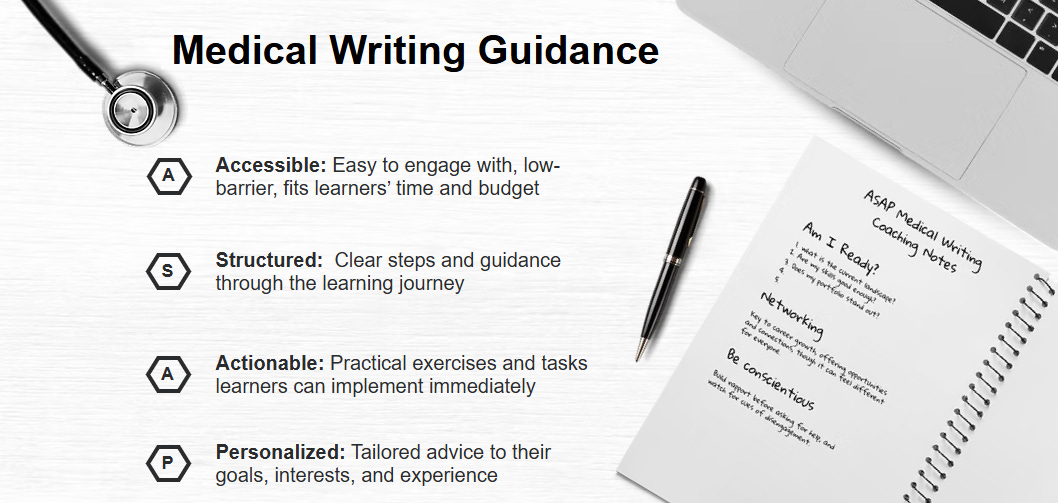
If you are transitioning into or within medical writing and looking for guidance, you may want to follow the 5-step transition plan from my Training Resource Center. This article series offers bite-sized lessons from that plan.
This lesson is linked to the articles on recovering from toxic work environments, which aligns with Step 1: Learn the Landscape. Toxic work environments can break down your confidence and cause you to lose track of career goals. Regaining your path is a key step to recovery. One practical approach is to use introspective questions to clarify your interests and strengths.
Hands-On Practice
What you’ll do: Reflect holistically on how to either transition away from or reduce the negative impact of complex or toxic work environments.
What you’ll produce: A clear outline of your most ideal working situation that aligns with your values, needs, interests, skills, and goals with practical compensations for less-than-ideal situations.
You may not answer every question immediately, but reading them can help you target which areas you may want to give further consideration to improve the quality of your work life. The exercise may also help you rebuild your concept of the version of yourself that thrives at work and clarify the conditions that make that possible.
Values
Your values guide how connected you feel to your work. Misalignment can cause conflict, loss of interest, and difficulty focusing. Sometimes it’s necessary to compartmentalize work from personal life.
Scale: 1 = Not important, 2 = Somewhat important, 3 = Very important
How important is it for your work to . . .
Uphold scientific integrity and ethical standards
Be free from marketing influence or external pressure
Have a visible impact on patient care
Guidance: If you highly value scientific integrity and ethical standards, you may want to avoid promotional or marketing-heavy work. Those seeking a visible impact on patient care may prioritize roles that include patient outreach, education, or other direct healthcare deliverables.
Needs
Your needs relate to how you function, learn, and interact with others. When your environment doesn’t meet your needs, create internal processes to support yourself and work effectively.
Scale: 1 = Not important, 2 = Somewhat important, 3 = Very important
How important is it for your work to. . .
Have a clear workflow and well-defined expectations
Include creativity and variety in deliverables
Provide face-to-face customer service for corporate clients
Guidance: If you value a clear workflow and well-defined expectations, you may thrive in more regulated roles. Those who prefer creativity or face-to-face interactions may find medical communications work with varied deliverables and direct client engagement more fulfilling.
Interests
Your interests affect motivation and enjoyment. When they align with your work, focus comes more easily. If they don’t, schedule breaks or time for tasks you enjoy to stay engaged.
Scale: 1 = Not interested, 2 = Somewhat interested, 3 = Very interested
How interested are you in work that . . .
Involves drug regulation and the approval process
Involves creating educational content
Involves publications or data-driven projects
Guidance: Regulatory writing may suit those interested in drug regulation. Medical communications and healthcare blogging are better for those drawn to education. Publication planning can be a good fit for individuals who prefer data-driven or research-focused work.
Skills
Doing work that aligns with your existing strengths is ideal. However, we are all learning and have different start points. You should at least be motivated to improve necessary skills. If a task exceeds your skill and you’re unmotivated, identify a competency level you can maintain.
Scale: 1 = Not skilled, 2 = Somewhat skilled, 3 = Very skilled
How competent are you in work that requires . . .
Synthesizing data into clinically relevant guidance
Translating complex medical information for patients and caregivers
Managing large amounts of information while following complex regulations
Guidance: Those strongest at synthesizing clinically relevant guidance may focus on medical education for clinicians. Those who excel at simplifying complex information for non-experts may be better suited to patient education. Individuals who enjoy working with complex data and regulations may gravitate toward regulatory writing.
Goals
Clear goals help you evaluate whether your current role moves you toward your desired future. If it doesn’t, identify steps to get closer to your objectives.
Scale: 1 = Not important, 2 = Somewhat important, 3 = Very important
Do your future career goals include . . .
Moving into leadership or management roles
Focusing on strategic planning or business development
Creating a direct impact on patients or healthcare providers
Guidance: Those interested in management may pursue director-level or leadership roles, including freelancing. Those drawn to business development can focus on strategic planning and growth initiatives within medical writing or communications. Individuals who prefer patient outreach or advocacy may focus on writing or communications roles that support patient education initiatives or leadership opportunities within patient-focused organizations.
Overview
You may not get everything from a single role. Knowing what you truly value and need allows you to adjust your approach strategically. Ultimately, there are two options: endure your current situation or make a change. Remaining stuck is not a long-term solution. Viewing a poor fit as an alignment mismatch rather than a personal failure can help you accept yourself and build confidence. Misfit is a structural issue that can be managed through compensatory strategies or used to guide you toward a better-fitting opportunity.
Take the Next Step
For more specific self-guided help, visit the Training Resource Center to explore Step 1 of the 5-step program, which offers guidance on exploring the different branches of medical writing and finding work that best fits you. Personalized coaching is also available for those seeking one-on-one support.
The Substack community chat can also connect you with peers who may share their experiences and insights while navigating similar situations.

Thank you this has been very helpful!
Love this💖✨💖I think it is a great self audit to gauge core values while navigating all forms of medical writing🎉thank you for creating this resource