
Bite-Sized Lesson 3: Using AI Ethically (Step 2 – Build Your Skills and Step 5 – Keep Learning and Networking)
Building Skills in Verification and Ethical Review
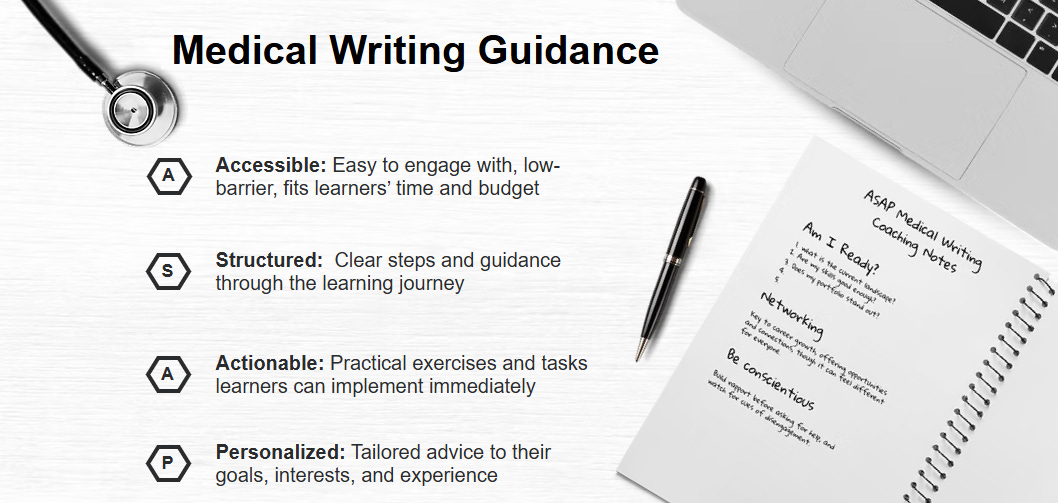
If you are transitioning into or within medical writing and looking for guidance, you may want to follow the 5-step transition plan from my Training Resource Center. This article series offers bite-sized lessons from that plan.
This lesson is linked to the articles on using AI ethically, which aligns with both Step 2: Build Your Skills and Step 5: Keep Learning and Networking. Whether you are just starting your transition by practicing your writing through self-guided work, or you are more established in your career and considering advanced training. Knowing how to use AI ethically—should you choose or be required to use it—is essential.
Hands-On Practice
What you’ll do: Learn how to identify AI confabulations, fact-check claims, and evaluate references for accuracy and reliability.
What you’ll produce: A short paragraph with verified references and notes on potential errors or inconsistencies.
This is for your personal learning only and is not intended to train you to rely on AI for writing. It will help you recognize potential problems if you choose to incorporate AI into your work and begin developing workflow habits for ethical verification and double-checking.
Generate a short (100–150 word) paragraph on a medical topic of your choice using AI. Include references in the paragraph.
Use the following prompt: Write a 100–150 word paragraph explaining [insert medical topic] for an educated, non-specialist audience. Include in-text citations and a reference list with at least three professional references (for example, peer-reviewed journals, clinical guidelines, or major health organizations).
Review each reference provided by the AI. Do they actually support the claims made? Note any inaccuracies, fabricated references, or misleading citations.
For each claim supported by a reference, annotate directly in the paragraph the exact location in the references using this format: page/column/paragraph/line numbers.
Run the paragraph through a plagiarism checker. Are there any flagged sections or attribution concerns?
Reflect on your findings. What errors or inconsistencies did you notice? Were there patterns in the AI output that could mislead readers?
Optional: Revise the paragraph to correct inaccuracies, remove plagiarism risks, and improve clarity. Reflect on how much intervention was needed and what this implies about using AI responsibly.
Take the Next Step
Visit the Training Resource Center to explore Step 2 and 5 of the 5-step program
Step 2: creating self-directed writing exercises, selecting courses and certifications, and developing networking skills.
Step 5: core advanced skills to develop and listings of professional medical writing associations around the world.